When trees require attention, many property owners use the terms tree surgery and tree cutting interchangeably. While they are related, they are not the same. Understanding the difference is important when deciding how best to care for trees on your property in Gloucester, Gloucestershire, and ensuring the right approach is taken for both safety and long-term tree health.
At EM Tree Surgery Gloucester, clients are often advised on whether full tree surgery or more straightforward cutting work is the most appropriate solution.
What Is Tree Cutting?
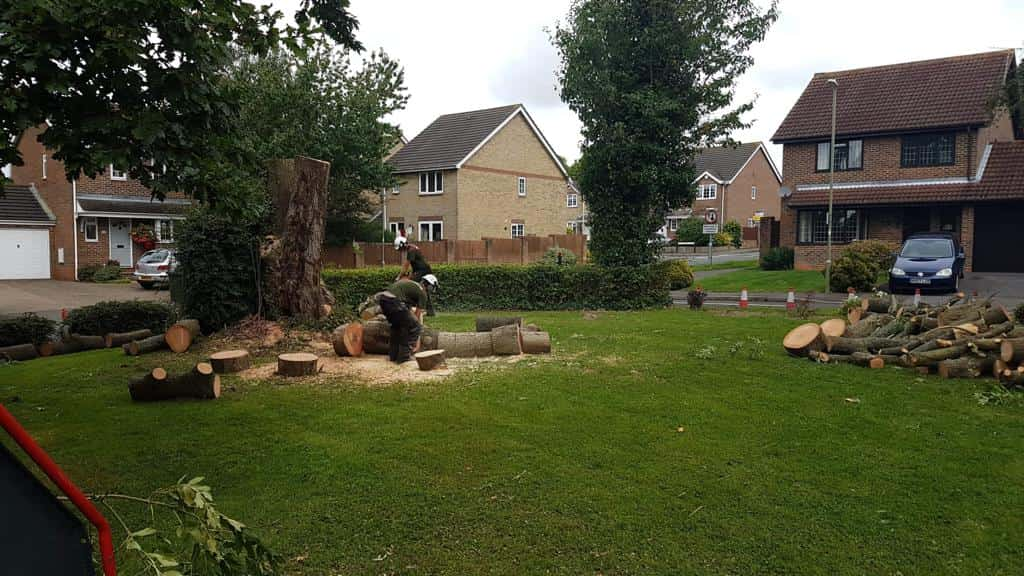
Tree cutting generally refers to the physical removal of parts of a tree.
This can include cutting back branches, reducing overgrowth, or removing a tree entirely. Tree cutting focuses on altering the size or shape of a tree, often to address immediate concerns such as obstruction, overhang, or clearance.
While tree cutting can solve short-term issues, it does not always consider the long-term health or structure of the tree unless carried out with specialist knowledge.
What Is Tree Surgery?
Tree surgery is a broader, more technical discipline.
It involves assessing the condition of a tree and applying targeted techniques to maintain its health, safety, and structural integrity. Tree surgery can include pruning, crown reduction, deadwood removal, and selective cutting, all carried out with an understanding of how trees respond to intervention.
The aim of tree surgery is not just to remove growth, but to support the tree’s ongoing stability and lifespan.
The Importance of Assessment and Planning
One of the main differences between tree cutting and tree surgery is the level of assessment involved.
Tree surgery begins with a detailed evaluation of the tree’s condition, growth pattern, and surrounding environment. This allows work to be planned carefully, ensuring the tree is managed responsibly rather than simply reduced or removed.
In contrast, basic tree cutting may not always take these factors into account, which can sometimes lead to stress, imbalance, or further issues.
Managing Risk and Safety
Trees can pose risks if they are damaged, unstable, or poorly maintained.
Tree surgery places strong emphasis on managing these risks by addressing weak limbs, decay, or structural faults. This proactive approach helps reduce the likelihood of failure during adverse weather and protects nearby buildings, roads, and people.
Tree cutting alone may remove visible problems but can miss underlying issues that continue to develop over time.
Supporting Tree Health and Longevity
Healthy trees require informed care.
Tree surgery techniques are designed to work with the natural growth cycle of the tree, encouraging strong regrowth and maintaining balance within the canopy. This makes tree surgery particularly valuable for mature or prominent trees that contribute to the character of a property or landscape.
Tree cutting without proper technique can sometimes compromise this balance, leading to uneven growth or decline.
Choosing the Right Approach for Your Property
Not every situation requires full tree surgery, but many benefit from it.
Understanding whether a tree needs skilled surgical management or simple cutting depends on its condition, location, and long-term role within the property. Professional advice ensures the most suitable method is chosen from the outset.
Conclusion
The key difference between tree surgery and tree cutting lies in intent and expertise. Tree cutting focuses on removing growth, while tree surgery takes a considered, health-focused approach to managing trees safely and responsibly.
For property owners in Gloucester, EM Tree Surgery Gloucester provides professional guidance and specialist tree surgery services tailored to each situation. If you are unsure whether your trees require surgery or simple cutting, arranging a professional assessment is the best way to protect both your property and your trees.
Call us on: 01452 941 558
Click here to find out more about EM Tree Surgery Gloucester
Click here to complete our contact form and see how we can help with your tree needs.