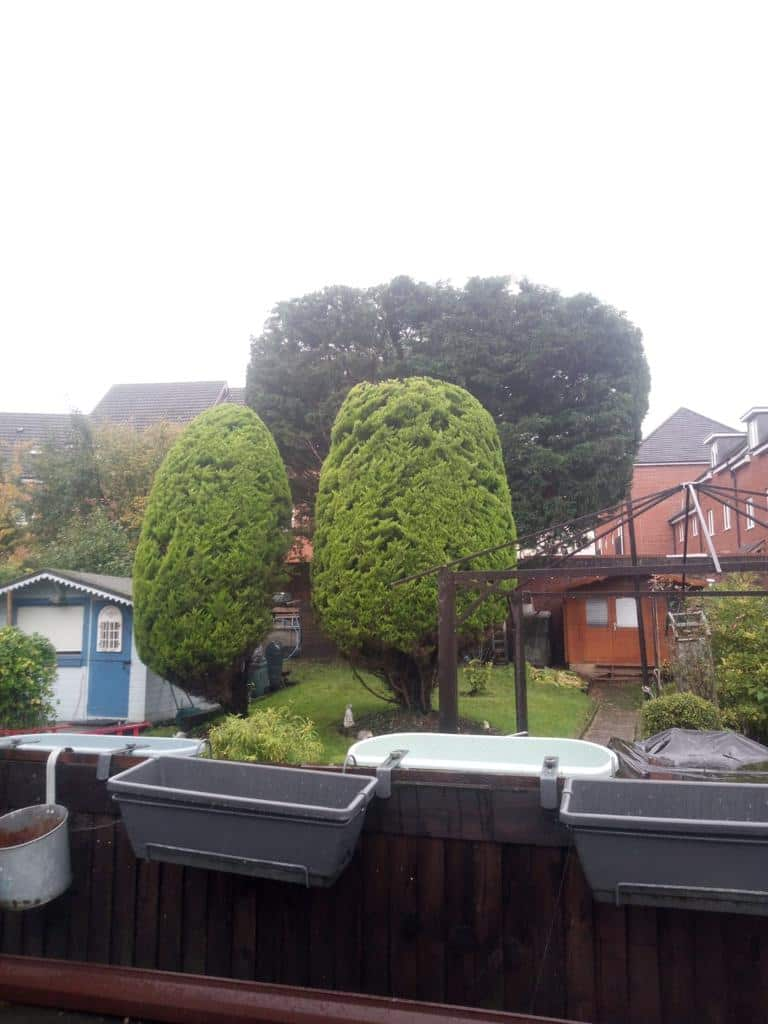
When a tree becomes too large, develops damaged branches or starts causing practical problems within a garden, removal can sometimes seem like the obvious solution. However, many tree-related concerns can be addressed through carefully selected tree surgery without removing the entire tree.
For homeowners in Gloucester, Gloucestershire, a professional tree surgeon can assess the tree itself, the nature of the problem and its relationship with the surrounding property. This helps establish whether felling is genuinely appropriate or whether pruning, crown management, deadwood removal or another targeted service could resolve the concern while retaining the tree.
Why Professional Assessment Matters Before Removing a Tree
Tree removal is a significant and permanent decision. Before recommending it, a tree surgeon can examine why the tree has become problematic and whether that issue affects the whole tree or only a particular part of it.
The condition of the trunk, branches and crown, together with the tree’s size, position and previous management, can all influence the recommendation. Looking at these factors together provides a much clearer basis for deciding what work is actually necessary.
Identifying the Real Reason for Concern
The first step is establishing what has prompted consideration of removal.
A homeowner may be concerned because the tree has become large, blocks natural light, contains dead branches or extends too close to parts of the property. Each of these situations presents a different tree management question.
Rather than assuming the complete tree is the problem, a tree surgeon can identify which particular characteristics are causing difficulty and whether they can be addressed individually.
A Large Tree Does Not Automatically Need Removing
Size alone is not necessarily a reason to remove a tree.
A mature tree can have a substantial crown while remaining suitable for its position. What matters is whether its dimensions and growth are creating a specific problem that requires intervention.
Where overall size is the primary concern, appropriate crown management may sometimes provide a more proportionate solution than felling.
Crown Reduction May Help Manage Excessive Size
Where a tree’s crown has become too large for the available space, crown reduction may be considered.
This involves carefully reducing selected parts of the crown to create smaller overall dimensions while retaining the tree. The work needs to respect the tree’s existing structure rather than simply cutting branches back indiscriminately.
When suitable, crown reduction can help address problems associated with excessive spread without resorting immediately to complete removal.
Dense Growth May Require a Different Approach
Sometimes a tree feels excessively dominant because the crown is dense rather than because its overall dimensions are unsuitable.
Depending on the tree and its condition, selective crown thinning can reduce density while broadly retaining the existing shape and size. This may improve light penetration and reduce the visual heaviness of the crown.
Recognising the difference between excessive size and excessive density is one example of how professional assessment can prevent unnecessary work.
Overhanging Branches May Be a Localised Problem
A tree may become inconvenient because one section extends towards a building, path or frequently used garden area.
If the rest of the tree is not causing concern, selectively managing the relevant branches may be more appropriate than removing the whole tree. The effect of any pruning on the wider crown still needs to be considered so that the finished tree remains appropriately balanced.
This targeted approach concentrates work where it provides a clear practical benefit.
Dead Branches Do Not Necessarily Mean the Whole Tree Is Declining
Finding deadwood within a tree can understandably cause concern, particularly when larger branches are involved.
However, the presence of some dead branches does not automatically mean that the entire tree requires removal. A tree surgeon can assess the extent and distribution of the deadwood alongside the condition of the remaining crown.
Where appropriate, deadwood removal can address the affected branches while retaining healthy parts of the tree.
Previous Pruning Can Influence the Tree’s Current Condition
The way a tree has been managed in the past can significantly affect its present form.
Previous cutting may have encouraged concentrated regrowth, created an uneven crown or left sections requiring further management. What appears to be a problem with the entire tree may therefore relate partly to how it has responded to earlier work.
A tree surgeon can take previous pruning into account when determining whether corrective management is possible.
Poorly Positioned Growth Can Sometimes Be Corrected
Trees naturally develop according to their surroundings, and some branches can eventually grow into positions that become inconvenient.
Rather than treating this as a reason to remove the complete tree, selective pruning may be able to improve clearance and manage the relevant growth.
The suitability of this approach depends on the individual tree, which is why deciding what to remove requires more than simply identifying the branch closest to the problem.
Too Much Shade Does Not Always Mean the Tree Has to Go
A heavily shaded garden is another common reason homeowners begin considering tree removal.
Depending on the structure and condition of the tree, appropriate crown work may improve light levels without removing it completely. Crown thinning, reduction or selective pruning can sometimes provide the required improvement.
The most suitable option depends on what is creating the shade and how much intervention the tree can appropriately accommodate.
The Tree’s Position Is an Important Consideration
A tree that works well in one garden may create practical difficulties in another simply because of its position.
Its proximity to buildings, boundaries, paths and other garden features influences how much space is available for the crown and how individual branches affect the surrounding area.
A professional assessment therefore considers the tree as part of its environment rather than examining its size and condition in isolation.
Several Problems Should Be Considered Together
Sometimes the decision about removal is prompted by several smaller concerns rather than one obvious issue.
The tree might contain some deadwood, have several overextended branches and create more shade than desired. Individually, each issue may appear manageable, but the overall picture needs to be considered.
A tree surgeon can determine whether a coordinated programme of appropriate work could address these concerns together or whether the tree as a whole has become unsuitable for its setting.
Retaining a Tree Should Still Produce a Practical Outcome
Avoiding unnecessary removal does not mean keeping a tree regardless of the problems it creates.
Any recommended tree surgery should have a clear purpose and provide a meaningful improvement. If pruning is suggested, it should address the homeowner’s actual concern rather than simply removing branches without changing how the tree affects the property.
Good tree management balances retaining suitable trees with ensuring that the surrounding outdoor space remains practical.
When Might Tree Removal Be the Appropriate Option?
There are situations where targeted pruning will not adequately address the problem.
If the concern relates to the tree as a whole rather than manageable parts of its crown, removal may become the more appropriate course of action. Extensive deterioration, significant structural problems or circumstances where reasonable pruning cannot achieve the required outcome can all influence that assessment.
The important point is that removal should follow an informed evaluation of the tree rather than being recommended simply because it is the most comprehensive form of tree work.
Why Simply Cutting More Is Not Always Better
Tree surgery should not be judged by the quantity of material removed.
Excessive cutting can unnecessarily alter a tree when a more selective approach would have resolved the problem. Conversely, doing too little may fail to provide the improvement the homeowner requires.
The skill lies in identifying what work is appropriate for the individual tree and carrying out enough to achieve the intended outcome without unnecessary intervention.
Professional Advice Helps Compare the Available Options
For a homeowner looking at a large or problematic tree from ground level, it can be difficult to understand what different tree surgery services would achieve.
A tree surgeon can explain whether the concern is likely to be addressed through selective pruning, crown reduction, crown thinning, deadwood removal or more extensive work. This allows the decision to be based on the actual condition and characteristics of the tree.
It also helps homeowners understand why a particular service is being recommended.
A Good Assessment Looks Beyond the Most Obvious Branches
The branches attracting attention are not always the only parts that matter.
Before pruning or removing a tree, the wider crown structure should be considered. The relationship between major branches, previous cuts and areas of new growth can influence how suitable different types of work will be.
Looking at the complete tree helps avoid solving one problem while unnecessarily creating another.
Why Experienced Tree Surgery Adds Value
At EM Tree Surgery Gloucester, the aim is to understand what homeowners want to achieve before determining the appropriate tree surgery.
For trees in Gloucester, Gloucestershire, this means assessing the nature of the problem, the condition of the tree and whether targeted work can provide a satisfactory solution. Where removal is genuinely the most appropriate option, that decision can then be based on a clear understanding of why lesser intervention would not adequately address the issue.
This proportionate approach helps ensure that the recommended work reflects what the tree and property actually require.
Making a Decision Based on the Tree in Front of You
There is no single rule that determines whether a problematic tree should be removed.
Two trees of a similar size can have completely different structures, conditions and relationships with their surroundings. One may respond well to carefully planned crown management, while another may require a different approach.
Individual assessment is therefore central to responsible tree surgery. It replaces assumptions with a recommendation based on the specific tree and the practical problem that needs solving.
Conclusion
A tree surgeon can help determine whether a tree really needs removing by identifying the precise cause of concern and assessing whether targeted tree surgery could resolve it. Large size, dense growth, excessive shade, dead branches or overhanging limbs do not automatically mean that complete removal is necessary.
Where appropriate, pruning, crown reduction, crown thinning or deadwood removal may provide a more proportionate solution while retaining the tree. Where these options cannot satisfactorily address the wider problem, removal may be the appropriate recommendation.
If you are unsure what to do with a problematic tree at your property in Gloucester, Gloucestershire, contact EM Tree Surgery Gloucester. We can assess the tree and recommend an appropriate tree surgery service based on its condition, position and the outcome you need to achieve.
Call us on: 01452 941 558
Click here to find out more about EM Tree Surgery Gloucester
Click here to complete our contact form and see how we can help with your tree needs.